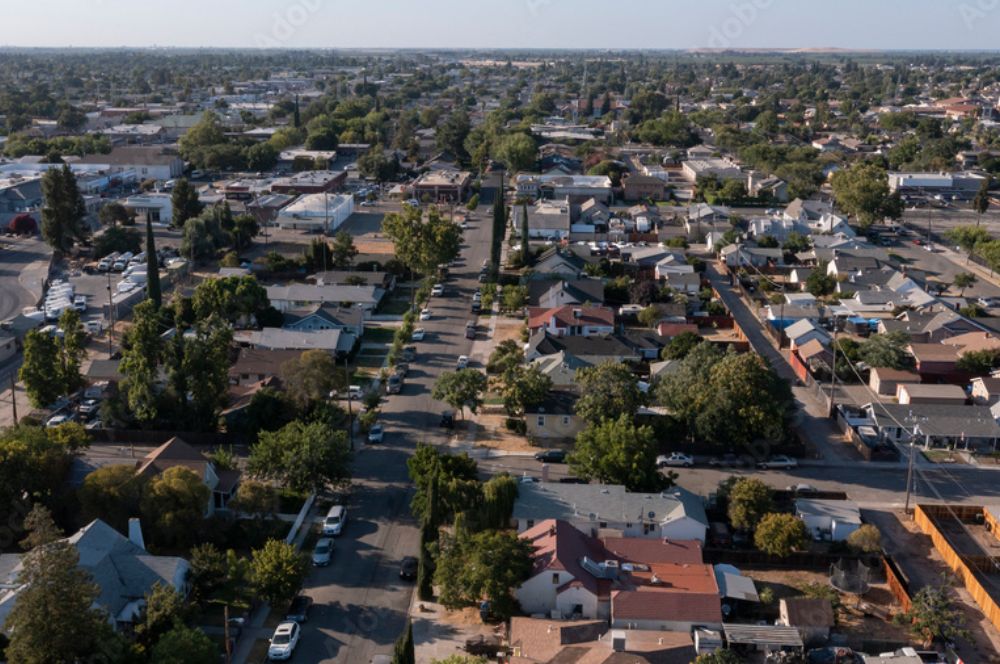
Is your well water safe to drink? Relying on a private well for your drinking water is not uncommon in the Central Valley as many households depend on groundwater every day for the drinking water in their home. Unlike regulated public and private water systems, private domestic wells do not have the benefit of water quality monitoring and treatment.
That means it’s up to you to make sure your water is safe.
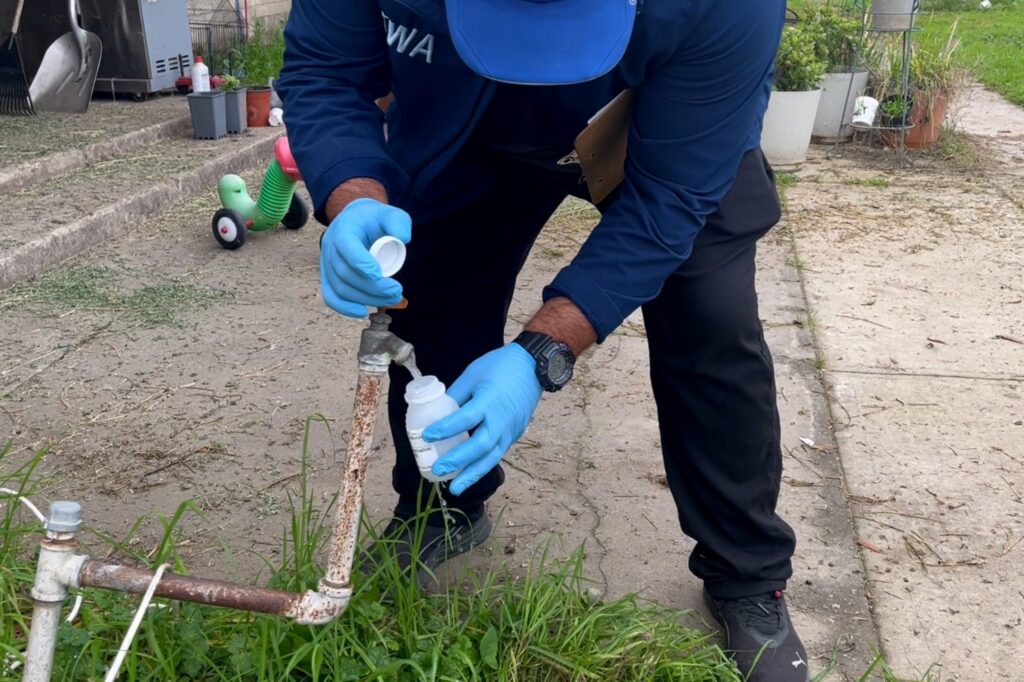
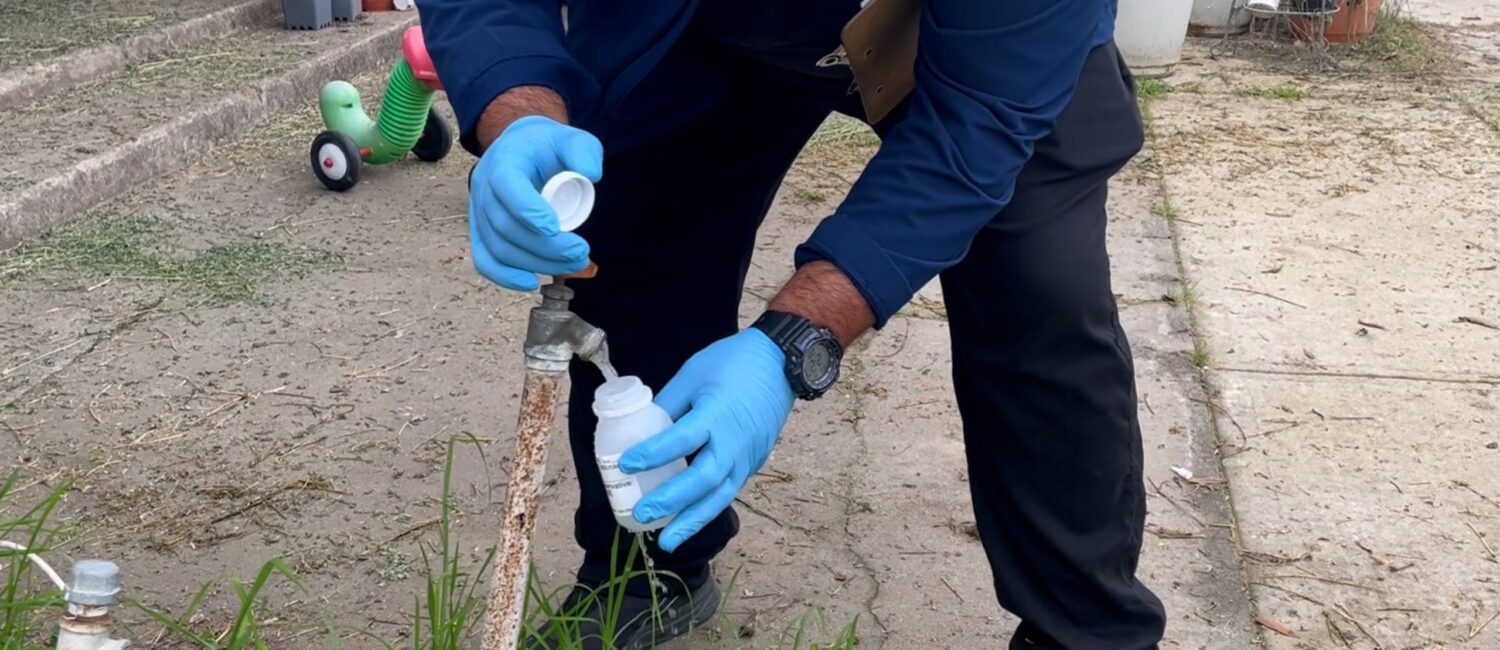
The good news? There are clear signs that can help you decide when it’s time to test your well water. If you notice any of the following, it’s best not to wait. We can help you with a free well test, and if you live somewhere in the Central Valley that is outside of our service area we can connect you with another team that can assist you!
5 Signs You Should Test Your Well Water
1. You Haven’t Tested Your Water in Over a Year
Water quality can change over time—even if everything seems fine on the surface. Groundwater conditions can shift due to seasonal changes, leaky septic tanks, industry activities, or nearby construction. We recommend that you get your well water tested at least once a year.
2. You Notice a Change of Taste, Smell, or Color in Your Water
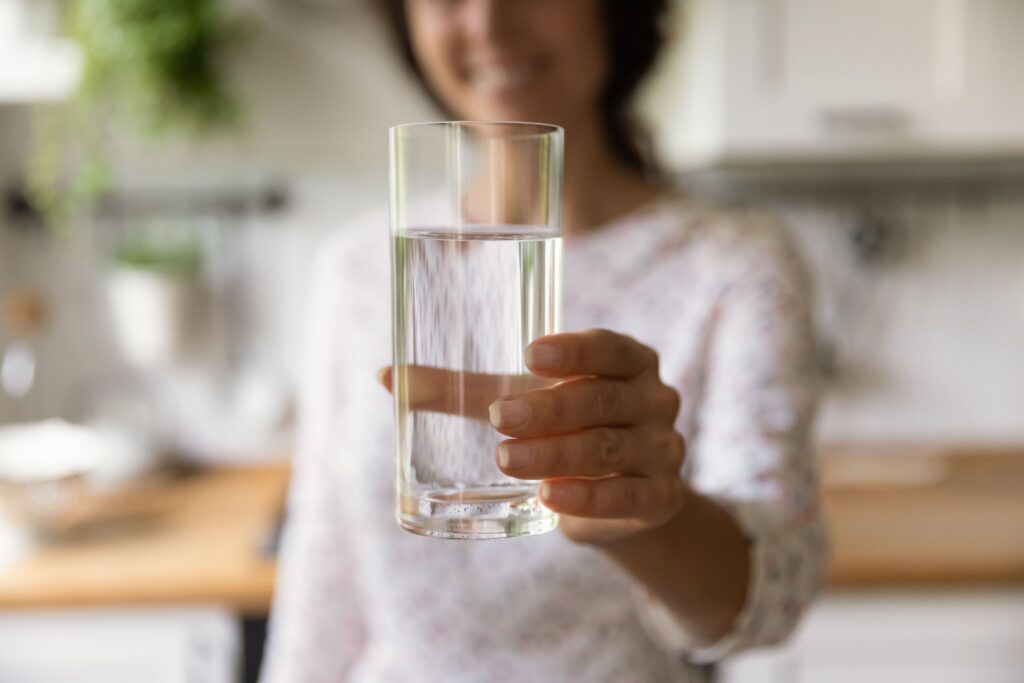
Your senses can sometimes be the first indicator that something isn’t right. If your water suddenly tastes metallic, smells unusual, or looks cloudy, don’t ignore it. Something to keep in mind is that some harmful contaminants (like nitrate) does not have any taste, smell, or color (which is part of the reason we recommend regular testing of your well water). The only way to know is to test your well water.
3. Your Household Includes Infants or Pregnant Women
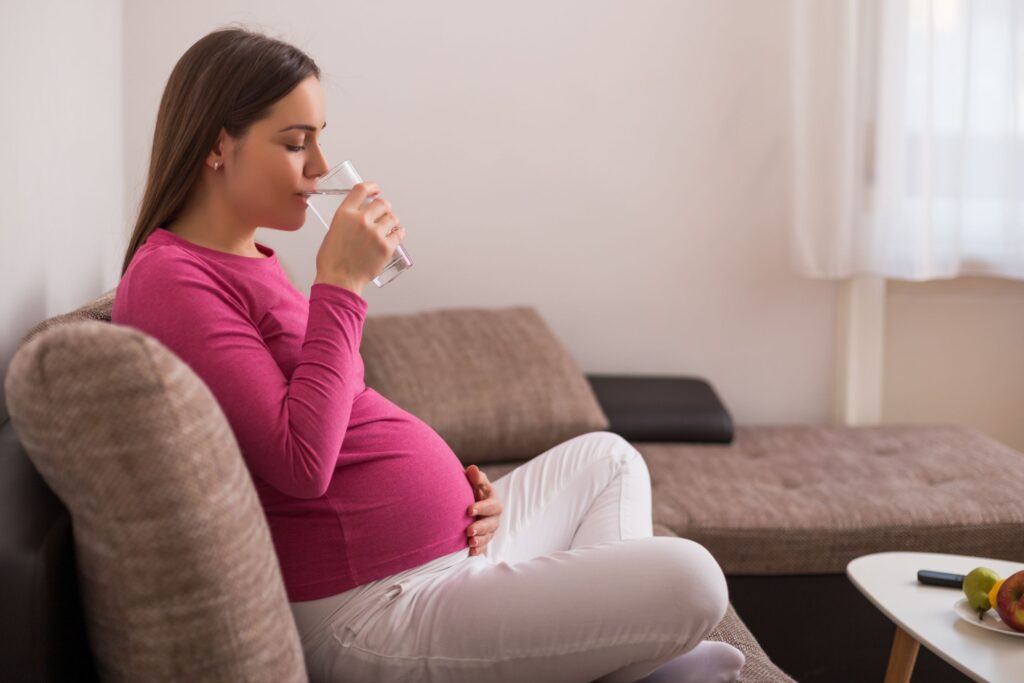
Certain members of your household may be more vulnerable to water quality issues. Certain contaminants, such as nitrate, can be dangerous for babies and pregnant women because high nitrate levels can interfere with how the body’s red blood cells transport oxygen. If there are any pregnant women or your babies in your home, and you get your water from a private well, regular testing is especially important.
4. Nearby Wells Have Tested Unsafe
Water quality isn’t isolated to just one home—it often affects entire areas. Talk to your neighbors to see if their well has tested high in nitrate, your well could be at risk too. If your neighbors aren’t sure or haven’t had their wells tested we can come out and test multiple wells in your neighborhood.
5. You Recently Had Flooding or Heavy Rain/Storms
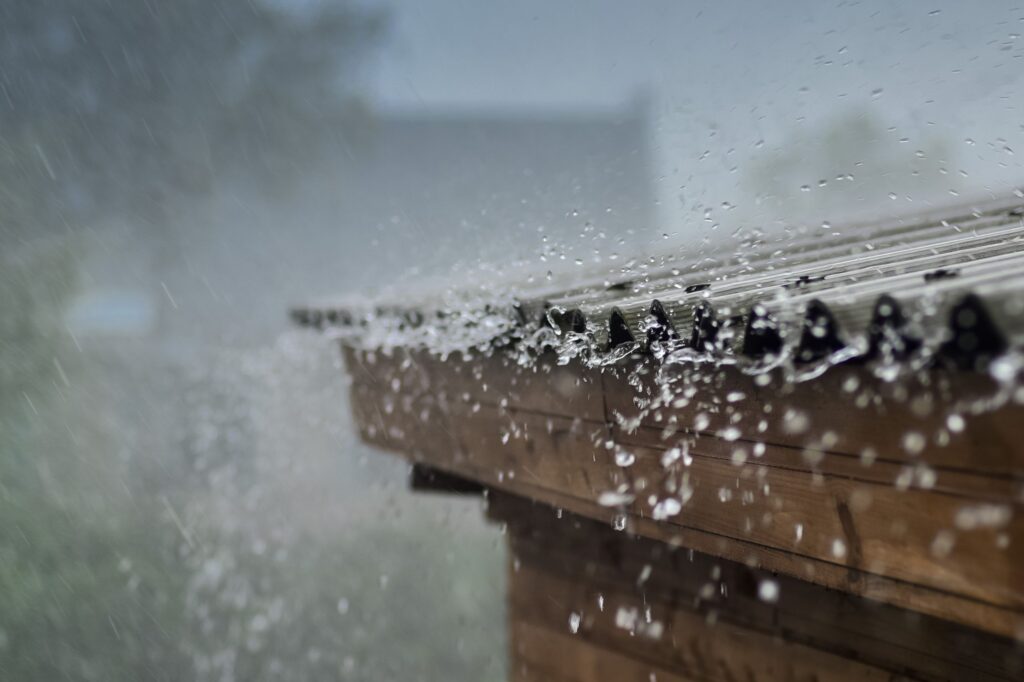
Weather events can directly impact what enters your well. Flooding can introduce contaminants into your well such as bacteria, nitrate, and other pollutants. After major storms or flooding events, it’s a good idea to test your water even if it was safe before.
What Should You Do Next?
If any of these signs sound familiar, don’t wait. Reach out to us today for:
Free well water testing
Bottled water delivery (if needed)
Support to help you understand your results
Testing your water is simple—and it can make a big difference for your health and your family. Check your eligibility and request a free well test today: Get Started Here